
Getting started, 2 minute read
What Is a Light-Year?
Distances in space are so large that astronomers measure them by how far light travels. Learn the light-year, why looking out is looking back in time, and how far away the stars really are.
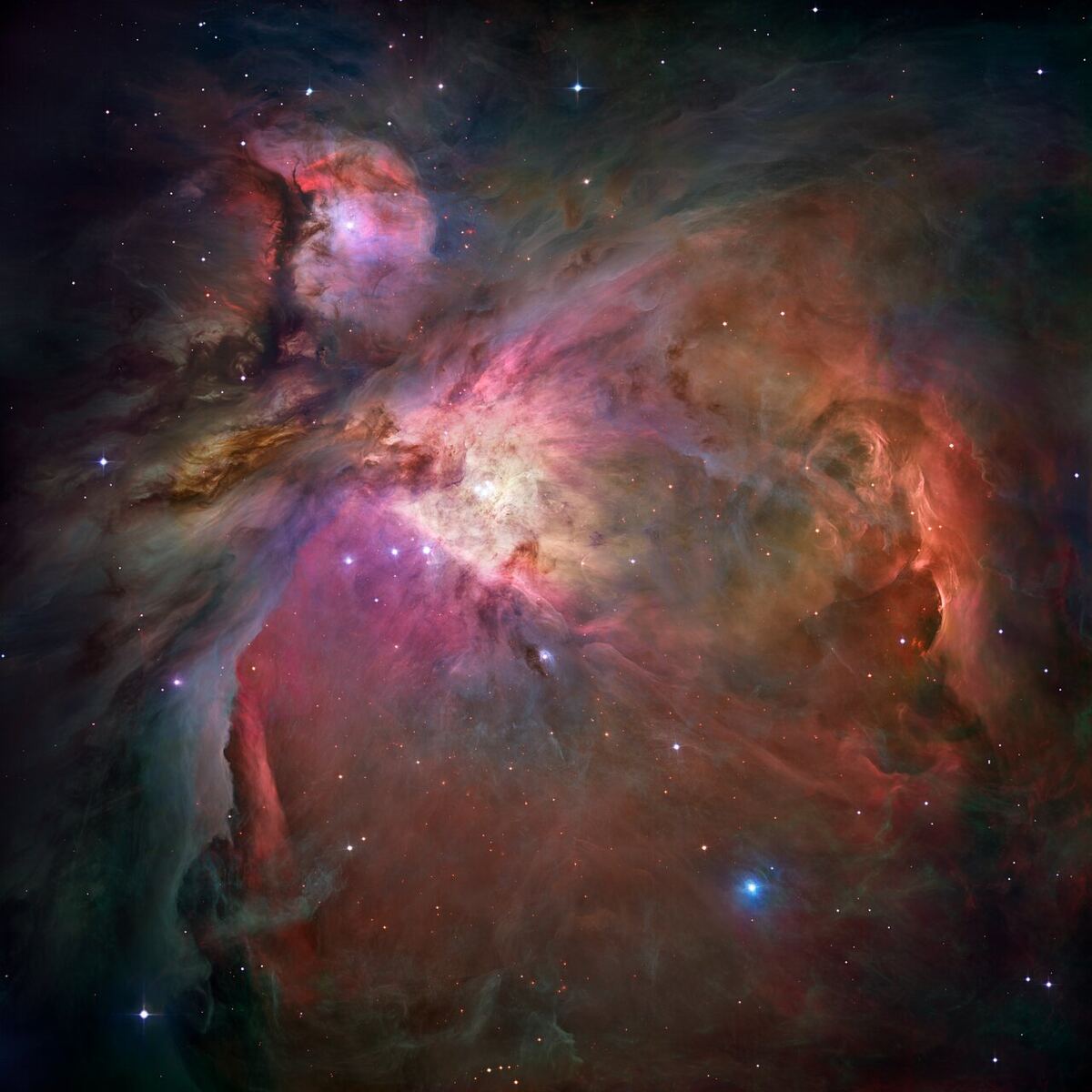
Light is the fastest thing in the Universe. It travels at about 300,000 km every second, fast enough to go around the Earth more than seven times in one second. Even so, space is so big that light takes years to cross the gaps between the stars. That is why astronomers measure distance with light itself.
The light-year is a distance, not a time
A light-year is the distance light travels in one year: about 9.46 trillion kilometres (9,460,000,000,000 km). The name sounds like a time, but it is a distance, just as "an hour's walk" is a distance.
Some useful light-travel times:
- Light from the Moon reaches us in about 1.3 seconds.
- Sunlight takes about 8 minutes and 20 seconds to cross the 150 million km to Earth.
- Light from Alpha Centauri, the bright Pointer star near the Southern Cross, takes about 4.4 years.
- Our galaxy, the Milky Way, is about 100,000 light-years across.
- The Andromeda Galaxy, the nearest large galaxy, is about 2.5 million light-years away.
Other units astronomers use
- The astronomical unit (au) is the average Earth–Sun distance, about 150 million km. It is handy inside the Solar System: Jupiter is about 5 au from the Sun.
- The parsec (about 3.26 light-years) comes from the way astronomers measure star distances by parallax, the tiny shift of a nearby star against the distant background as Earth moves around the Sun. Research papers usually use parsecs.
Looking out is looking back
Because light takes time to travel, we always see things as they were when the light left them. You see the Sun as it was 8 minutes ago and Alpha Centauri as it was over 4 years ago. When astronomers photograph a galaxy billions of light-years away, they are seeing it as it was billions of years ago, when the Universe was younger. Telescopes are, in a real sense, time machines.
Sources
Part of the course Astronomy Foundations.