
The Solar System
The Sun, its eight planets, our Moon and Pluto. Pick a world for its facts, or open the 3D map to see where each one is today.
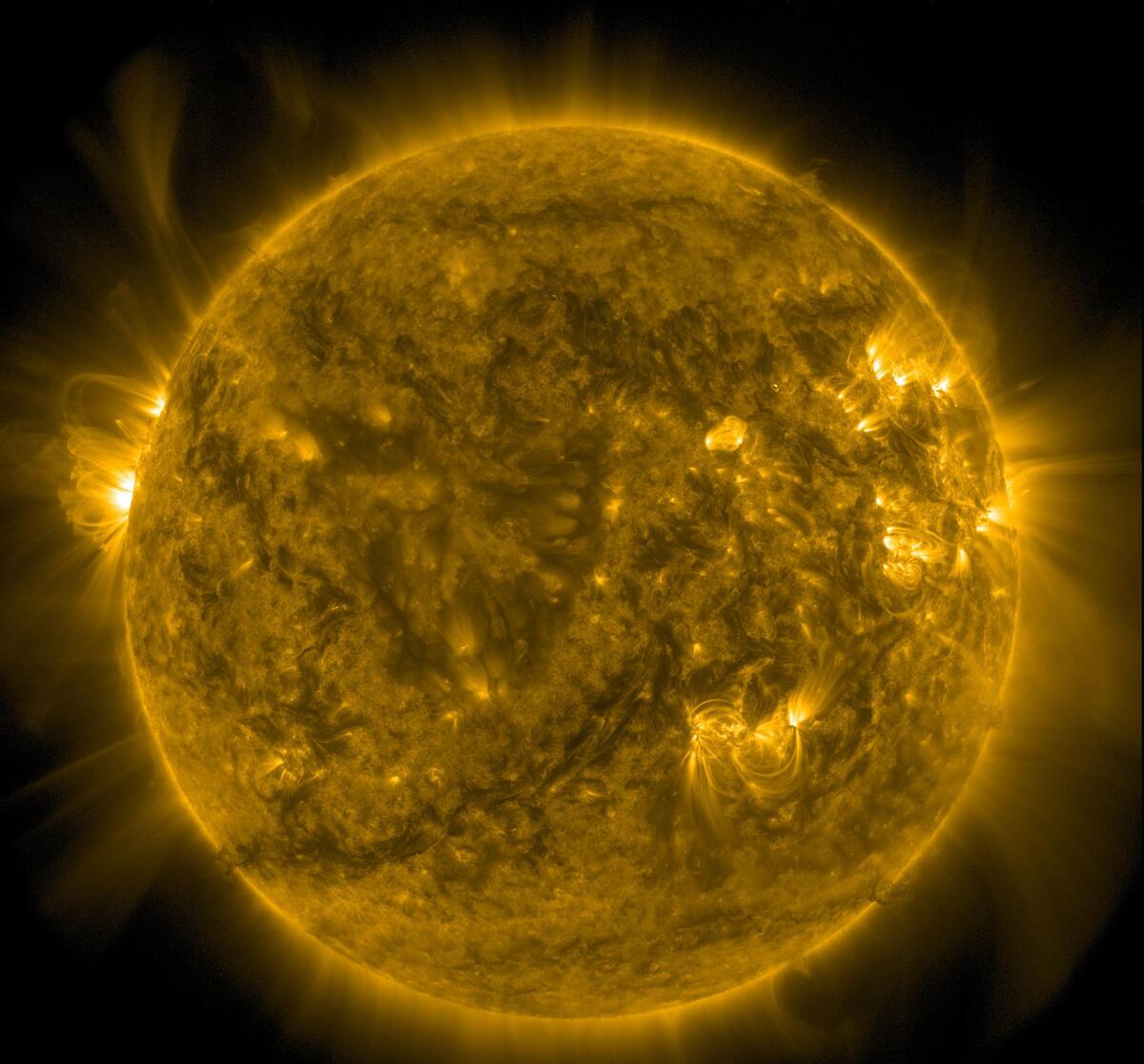
The Sun
Our star: a ball of hot gas so big that 109 Earths would fit across it. Never look at it without a proper solar filter.
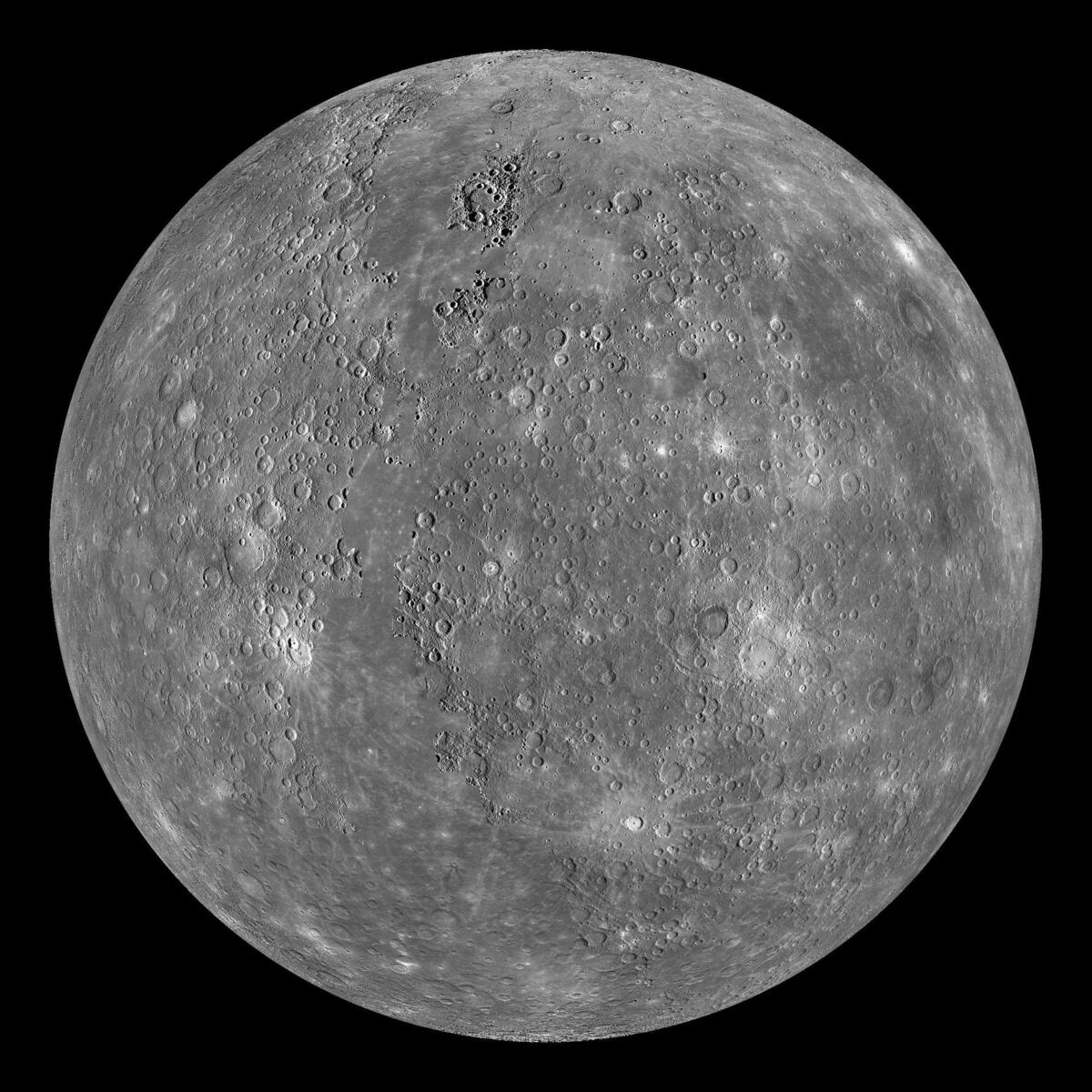
Mercury
The smallest planet and the closest to the Sun: a grey, cratered rock, baked by day and frozen by night.
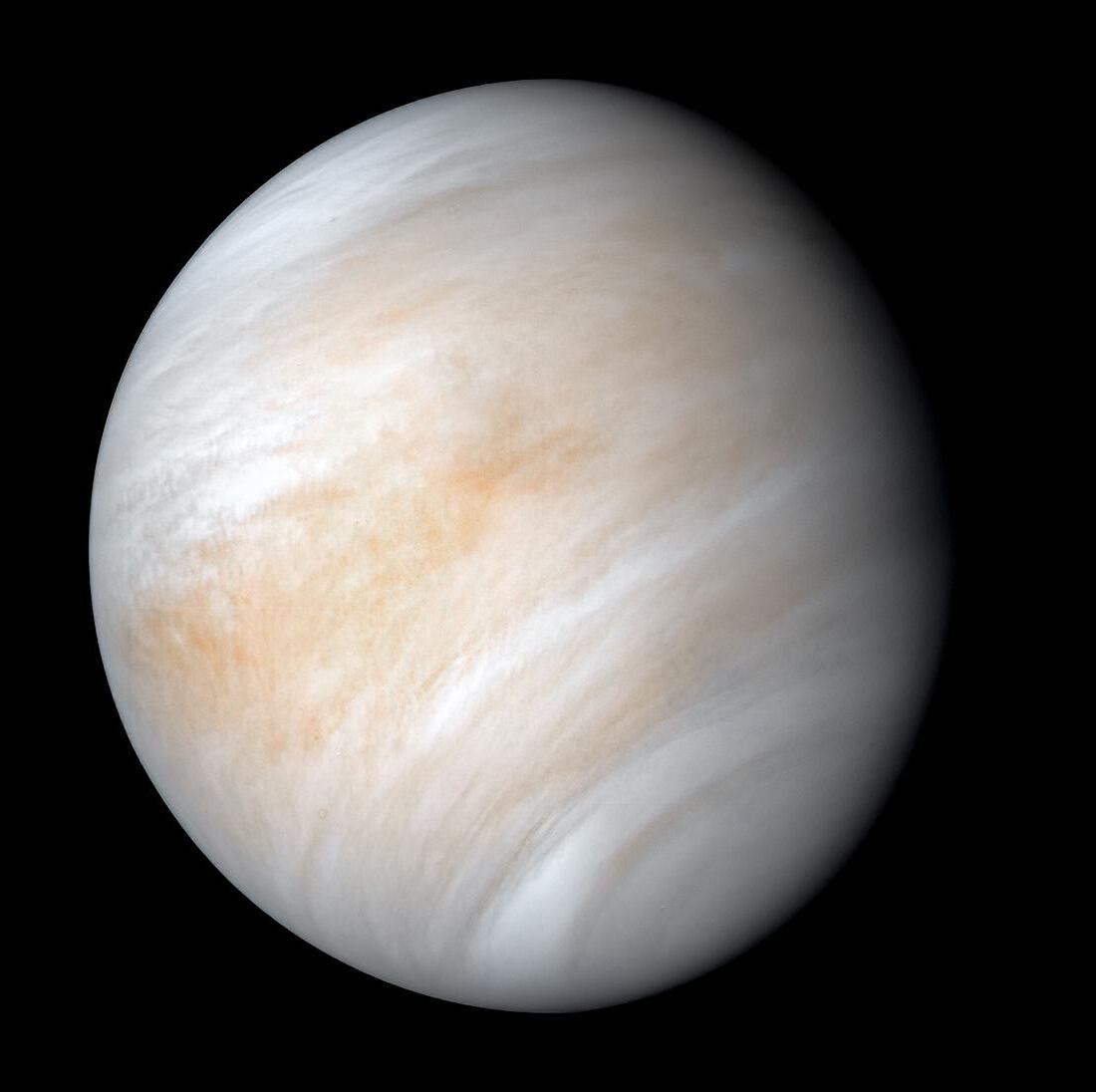
Venus
Earth’s near-twin in size, under thick clouds of sulphuric acid. At 465 °C its surface is the hottest in the Solar System.
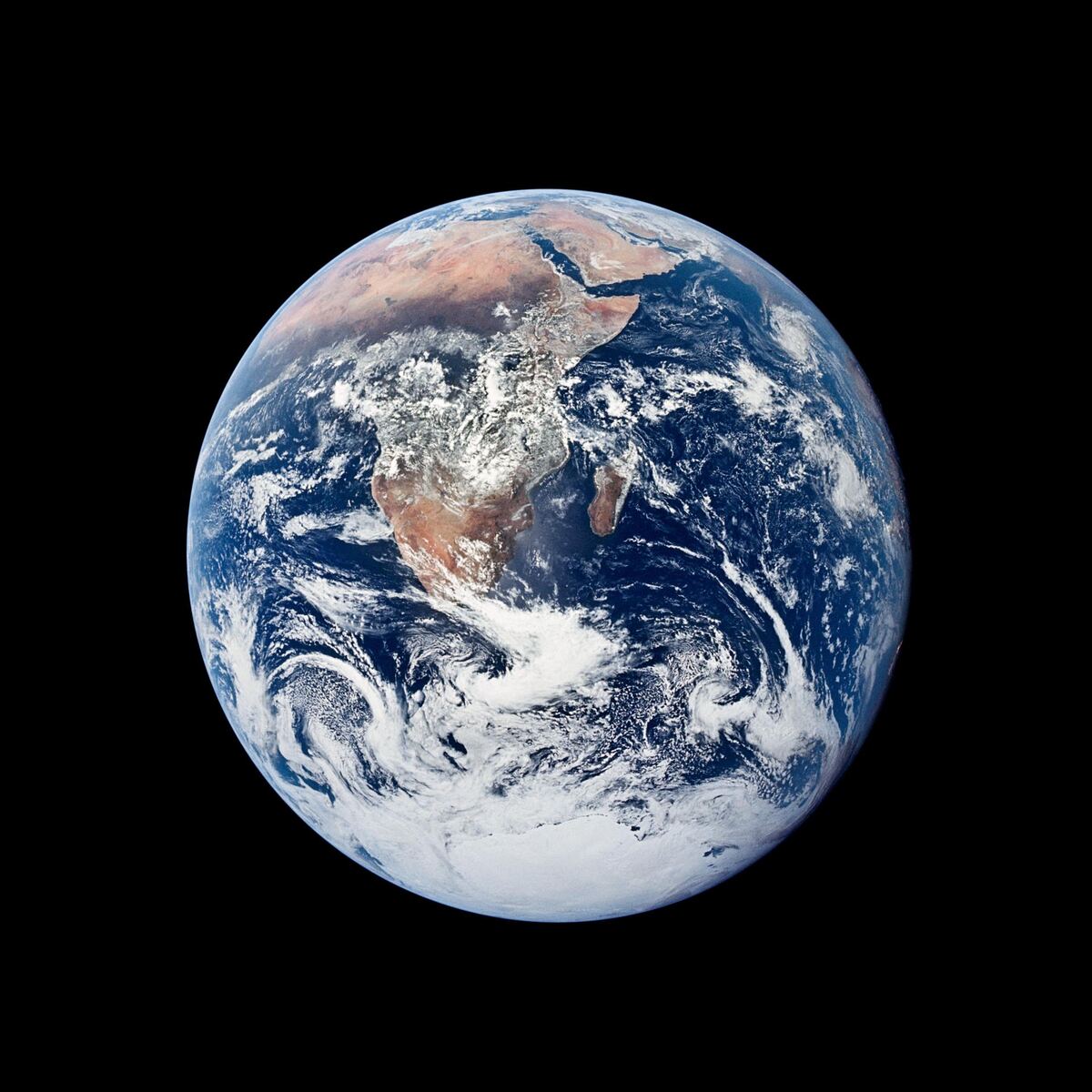
Earth
Home: the only world known to have life, and the only one with oceans of liquid water on its surface.
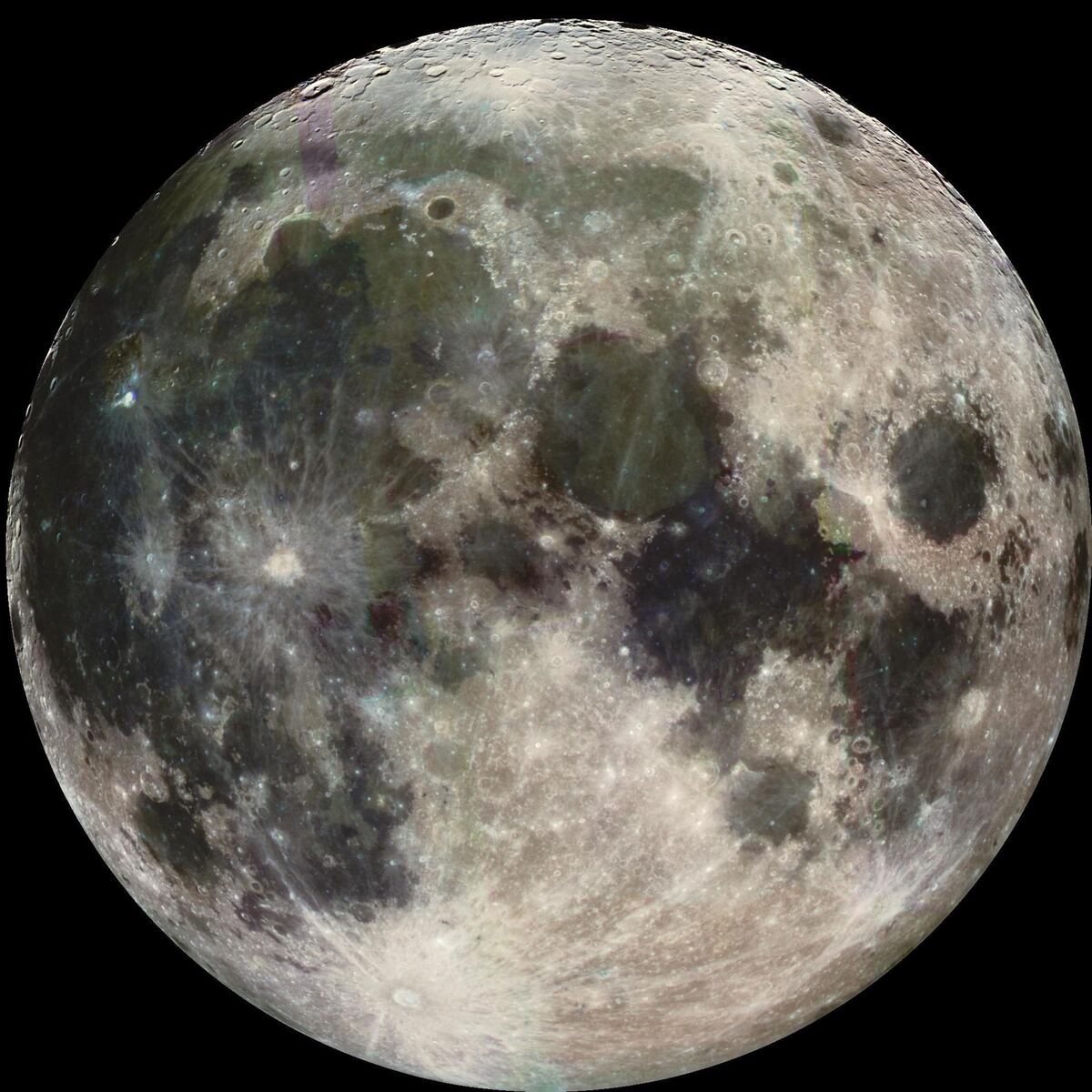
The Moon
Earth’s companion, a quarter of Earth’s width. It always keeps the same face towards us.
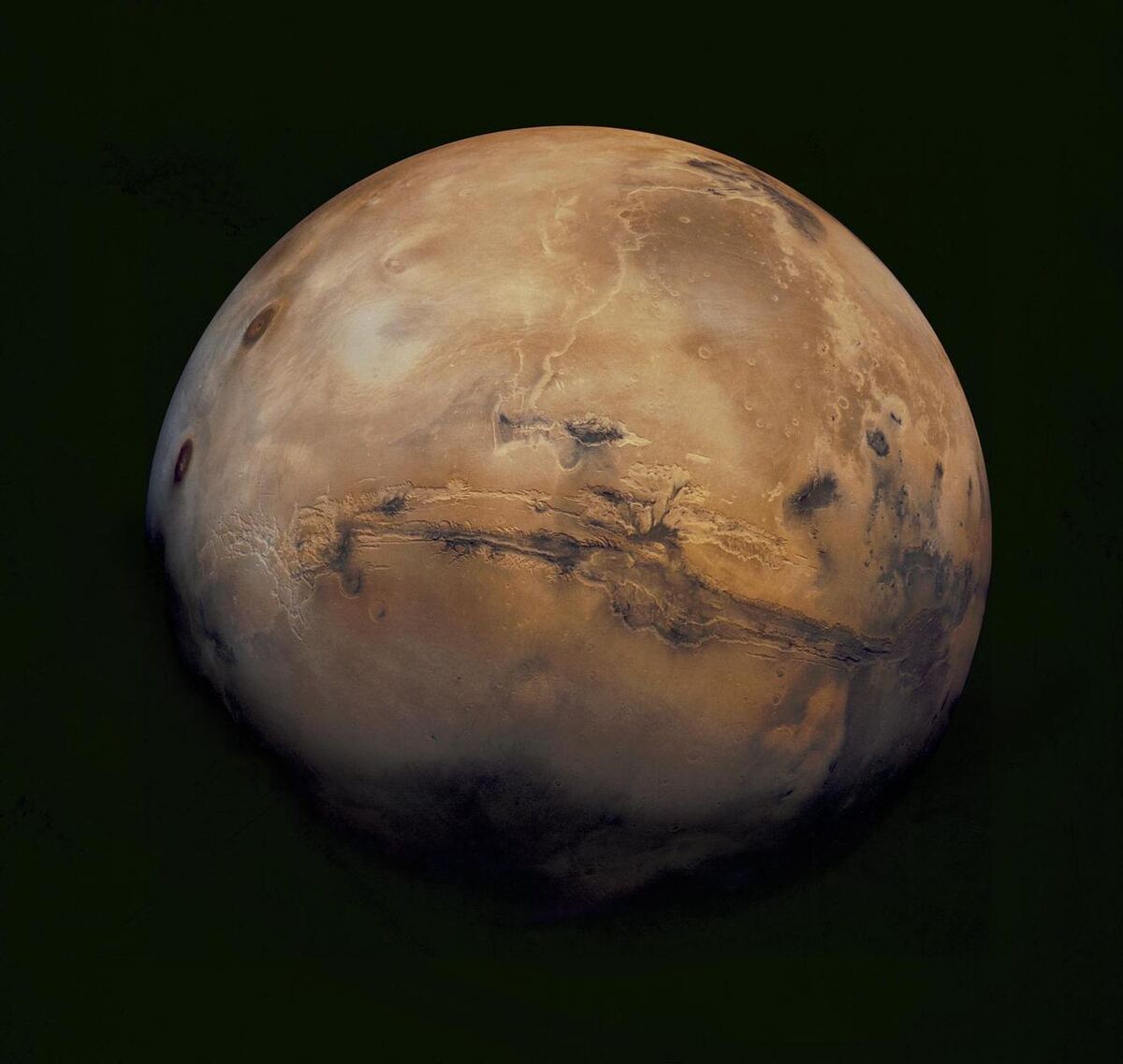
Mars
The red planet: a cold desert world with the tallest volcano and the deepest canyon in the Solar System.
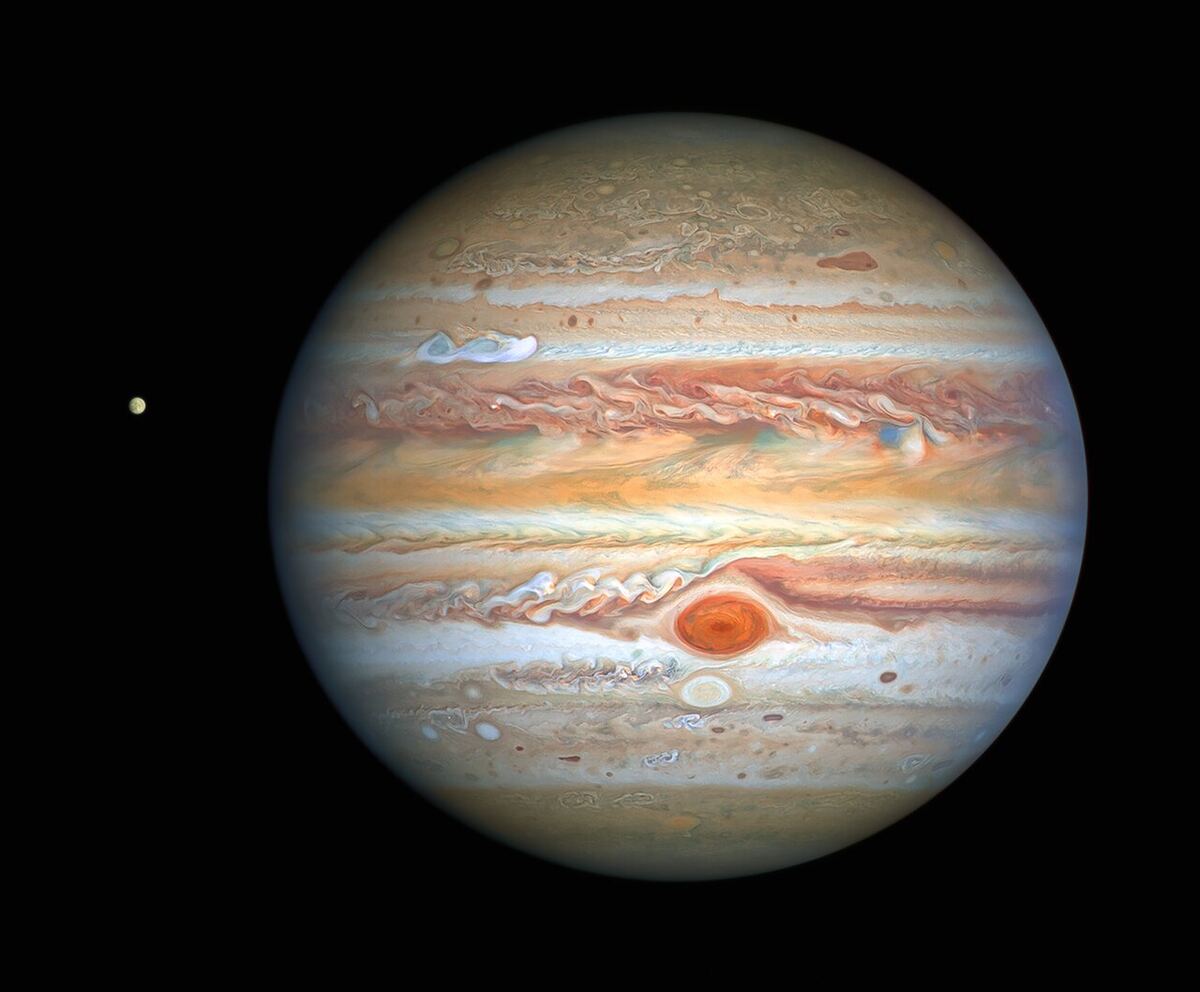
Jupiter
The biggest planet, a giant ball of gas. The Great Red Spot is a storm wider than Earth that has raged for centuries.
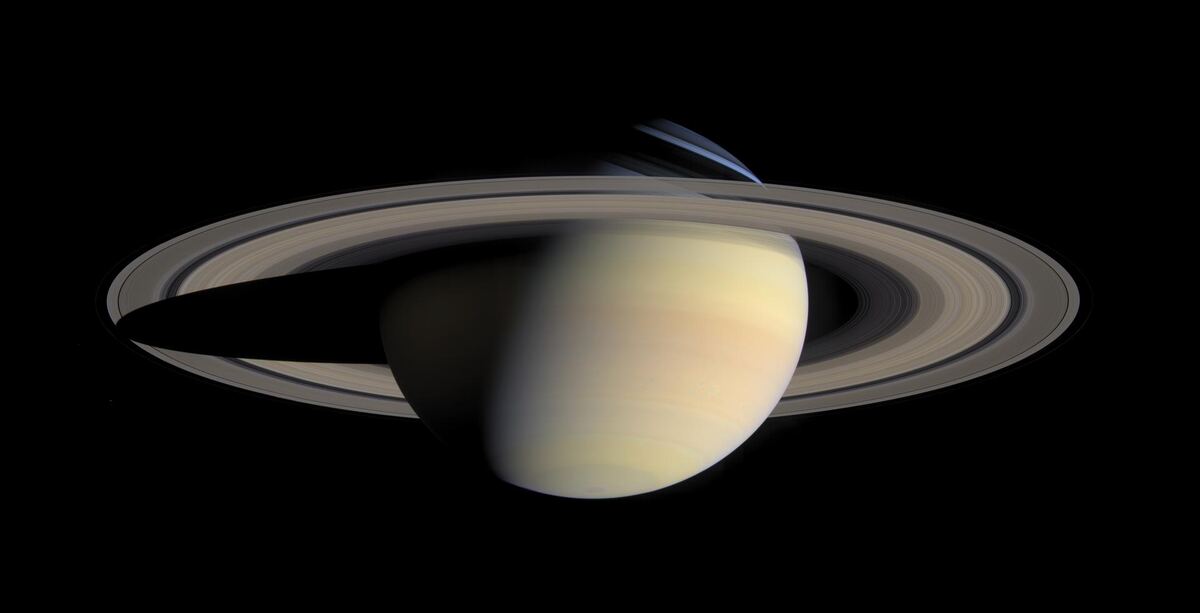
Saturn
The ringed planet. Its rings are ice and rock, hundreds of thousands of kilometres wide but mostly only tens of metres thick.
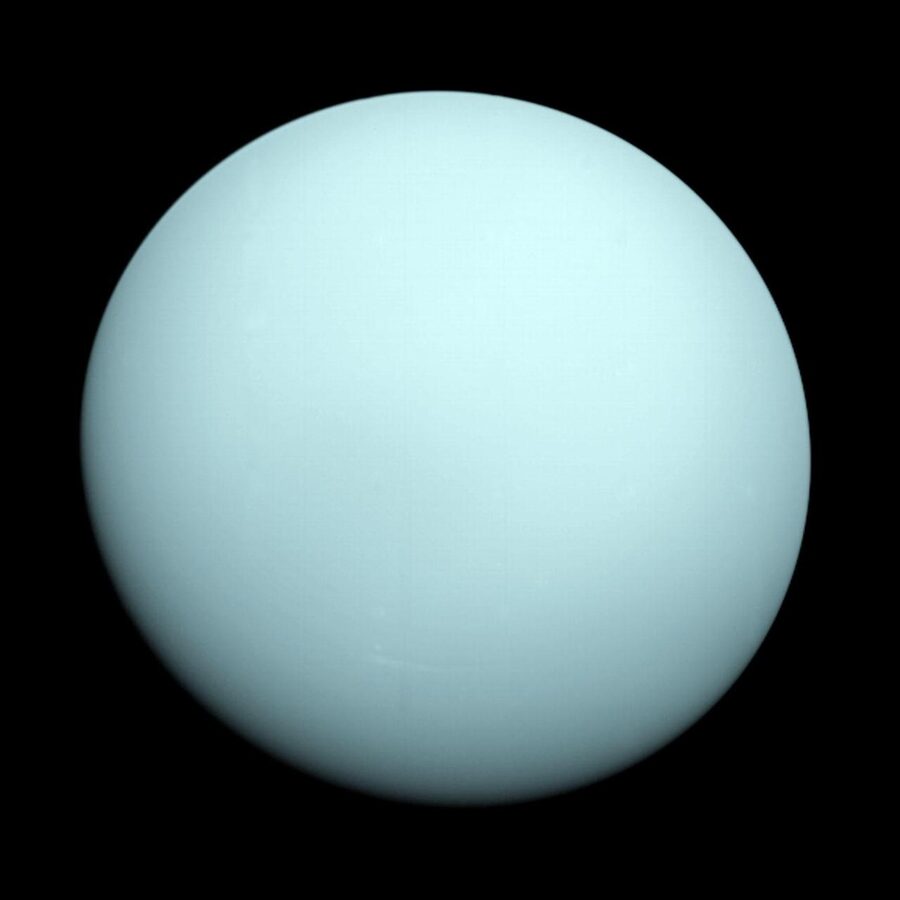
Uranus
An ice giant that rolls round the Sun on its side, so each pole gets 42 years of daylight then 42 years of night.
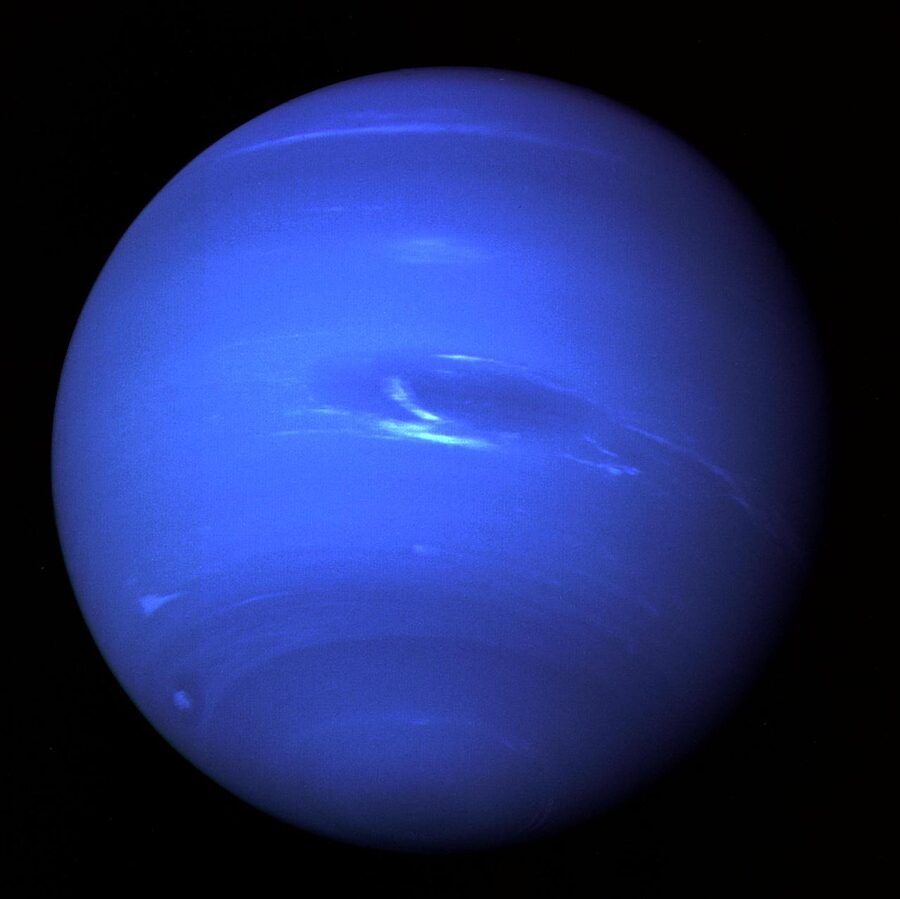
Neptune
The farthest planet: a deep blue ice giant with the fastest winds in the Solar System, up to 2,000 km/h.
Pluto
A dwarf planet in the Kuiper Belt, smaller than our Moon, with a heart-shaped plain of nitrogen ice.