
Research skills, 2 minute read
Citizen Science: Real Research from Zimbabwe
You do not need a degree or a telescope to contribute to real astronomy. Projects you can join from Zimbabwe, discoveries volunteers have made, and how to make your observations count.
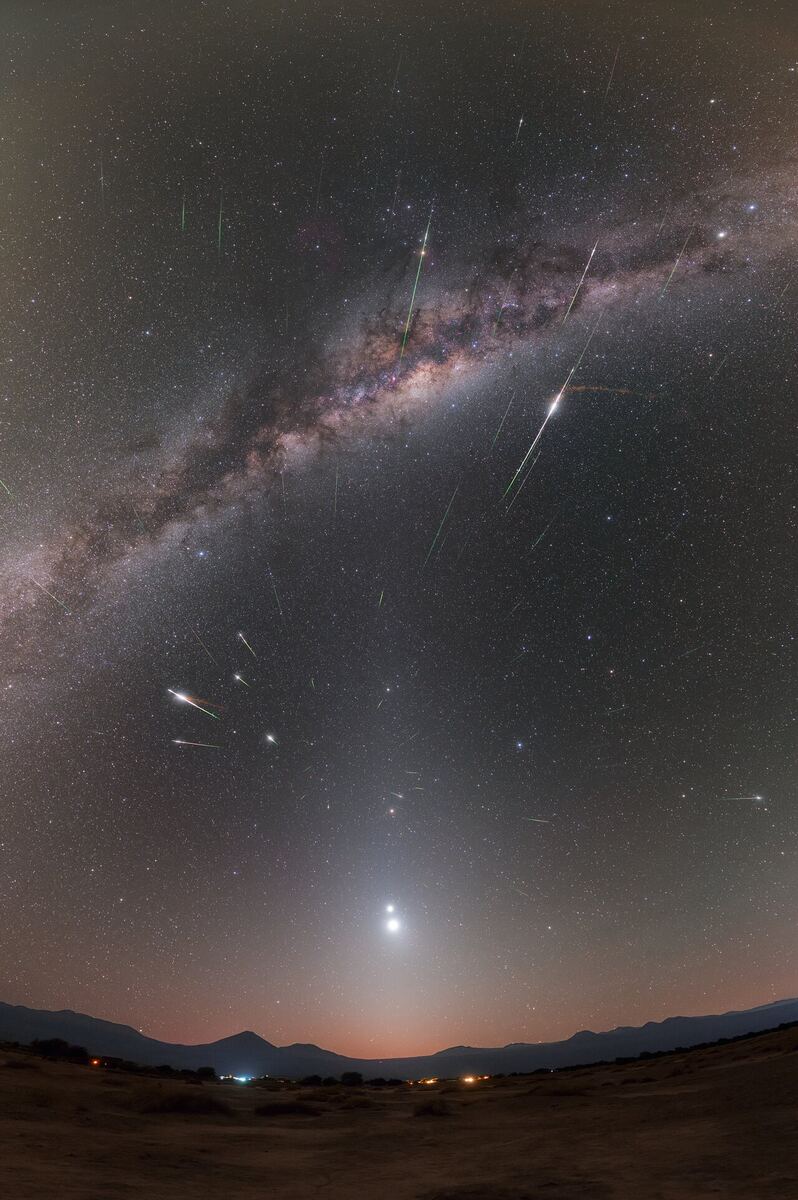
Modern telescopes produce far more data than professional scientists can examine alone. Citizen science projects invite anyone to help, and volunteers have made real discoveries.
What volunteers have found
- In 2007 the Galaxy Zoo project asked the public to sort galaxies by shape. A Dutch schoolteacher, Hanny van Arkel, spotted a strange glowing cloud that astronomers had never noticed, now known as Hanny's Voorwerp ("Hanny's object"): gas lit up by a black hole that has since faded.
- Galaxy Zoo grew into the Zooniverse, which by April 2026 had passed 3 million volunteers in more than 160 countries. Their classifications have contributed to hundreds of peer-reviewed research papers.
Projects you can join
- Zooniverse (zooniverse.org): classify galaxies, search telescope data for new planets, and more. All you need is a phone or computer.
- Globe at Night (globeatnight.org): count the stars you can see in a constellation to measure light pollution. Observations from Zimbabwe help fill a gap on the world map.
- International Astronomical Search Collaboration (IASC): school and university teams search real telescope images for asteroids. Participating teams have made provisional asteroid discoveries that are reported to the IAU's Minor Planet Center.
- International Meteor Organization (imo.net): report meteor counts. Southern-hemisphere observations are especially valuable because there are fewer observers here.
- AAVSO (aavso.org): measure the brightness of variable stars, stars whose light changes.
Doing it well
- Follow the project's instructions exactly, so your data can be combined with everyone else's.
- Record the date, time, location and sky conditions (Moon, cloud, haze).
- Report what you actually see, even if it is "nothing". A careful count of zero is data too.
- Never make up or "tidy" data. Honest, careful records are what make citizen science trustworthy.
Share it with ZAS
If you take part in a project, tell the community: use Share with ZAS in the Community section. And if your family has names or stories for the stars, recording them is research too; see the lesson on star lore.
Sources
Part of the course Astronomy Research Methods.