
Solar System, 2 minute read
Why the Moon Has Phases
The Moon does not change shape: we see different amounts of its sunlit half as it orbits Earth. Learn the cycle of phases, when each phase rises, and why it looks different from Zimbabwe.
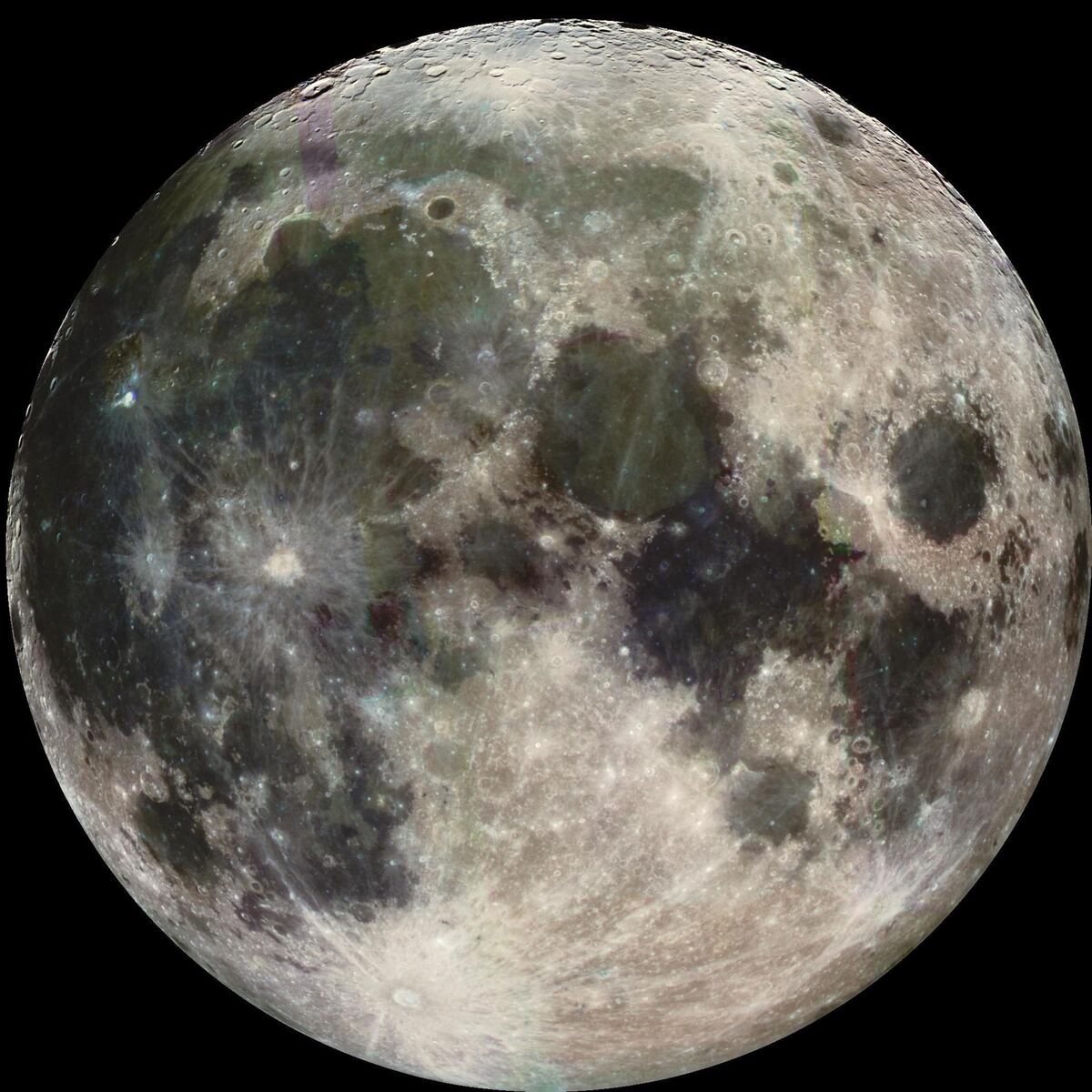
In Shona the Moon is mwedzi, the same word as "month", because the Moon's cycle of phases is one of the oldest ways people have kept time. The cycle takes about 29.5 days from one new Moon to the next.
Half lit, always
The Moon makes no light of its own. The Sun always lights exactly half of it, just as it lights half of the Earth: the day side. As the Moon travels around Earth, we see different amounts of that lit half. That is all a phase is. Phases are not caused by Earth's shadow; that only happens during a lunar eclipse.
The cycle
- New Moon: the Moon is roughly between Earth and Sun, and its lit side faces away from us. It is up during the day, lost in the Sun's glare.
- Waxing crescent: a thin sliver appears in the west just after sunset. "Waxing" means growing.
- First quarter: half the disc is lit. It is high in the sky at sunset.
- Waxing gibbous: more than half lit.
- Full Moon: Earth is roughly between Sun and Moon, so we see the whole lit face. A full Moon rises in the east as the Sun sets and is up all night.
- Waning gibbous, last quarter and waning crescent: the lit part shrinks ("wanes"), and the Moon rises later and later, until the thin crescent is only seen in the east before dawn.
The Moon rises on average about 50 minutes later each day, because it moves along its orbit while Earth turns.
Seen from the Southern Hemisphere
Most books are written in the Northern Hemisphere, where a waxing Moon is lit on the right. From Zimbabwe, facing north, the picture is flipped: a waxing Moon is lit on the left. Because Zimbabwe lies in the tropics, an evening crescent often lies on its back like a boat. One rule never changes: the lit side always points towards the Sun.
Same face, always
The Moon turns once on its axis in the same time it takes to orbit Earth, so it always keeps the same face towards us. Its orbit around Earth relative to the stars takes about 27.3 days; the full cycle of phases takes longer (29.5 days) because Earth has moved around the Sun in the meantime.
Sources
Part of the course Astronomy Foundations.