
Space science, 2 minute read
Zimbabwe in Space
From ZINGSA to ZimSat-1 and ZimSat-2: how Zimbabwe builds and uses satellites, what they do for farming and the environment, and the growing African space community.
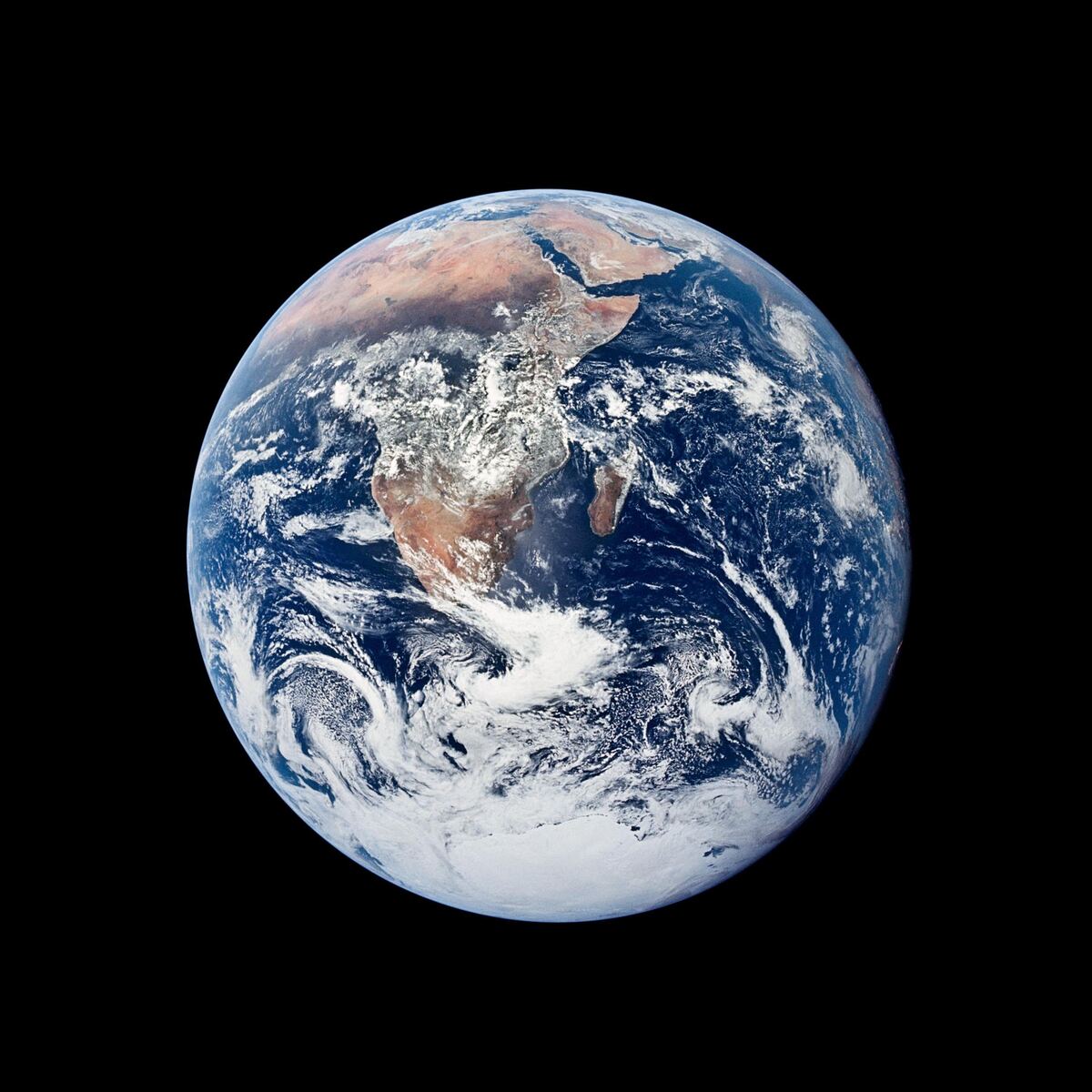
Space science is not only something other countries do. Zimbabwe has its own space agency, has put two satellites into orbit, and uses space data every day.
ZINGSA
The Zimbabwe National Geospatial and Space Agency (ZINGSA) was launched by President Mnangagwa on 10 July 2018. It works under the Ministry of Higher and Tertiary Education, Innovation, Science and Technology Development, with a mandate to use satellites and mapping to support agriculture, mineral exploration, wildlife conservation, disease surveillance and infrastructure planning.
ZimSat-1
Zimbabwe's first satellite, ZimSat-1, was a CubeSat about the size of a 10 cm cube. Zimbabwean engineers built it together with the Kyushu Institute of Technology in Japan as part of the international BIRDS programme, alongside Uganda's first satellite.
- It launched on 7 November 2022 aboard a Cygnus cargo spacecraft to the International Space Station.
- A small launcher on Japan's Kibo module of the ISS pushed it into its own orbit on 2 December 2022.
- Satellites released from the ISS orbit low, where thin air slowly drags them down. Tracking records show ZimSat-1 re-entered the atmosphere in May 2023, a typical short life for such a small satellite.
Short as it was, the mission trained a team of Zimbabwean engineers in designing, testing and operating a spacecraft.
ZimSat-2
ZimSat-2 launched on 5 November 2024 from the Vostochny Cosmodrome in Russia, built in partnership with Southwest State University in Kursk. It carries a multispectral camera with about 8-metre resolution, designed mainly to support agriculture.
What satellites do for Zimbabwe
A multispectral camera photographs the ground in several colours of light, including infrared that our eyes cannot see. Healthy plants reflect infrared strongly, so these images can show:
- crop health and expected harvests,
- land use and deforestation,
- veld fires and drought,
- water in dams and rivers.
Zimbabwe also uses data from many international satellites, and satellite navigation (GPS) and weather forecasts depend on space technology too.
Africa in space
More than a dozen African countries have launched satellites. The African Space Agency, the African Union's continental space body, opened its headquarters in Cairo on 20 April 2025. South Africa hosts world-class observatories, including MeerKAT and the Southern African Large Telescope. Careers in this field need physics, mathematics, engineering, computing and geography, all subjects you can study in Zimbabwe.
Sources
- Space in Africa: launch of the Zimbabwe space agency (2018)
- Techzim: what happened to ZimSat-1
- Nanosats database: ZimSat-1
- Space in Africa: Zimbabwe launches second satellite, ZIMSAT-2
- Space in Africa: inauguration of the African Space Agency
- OpenStax Astronomy 2e, 3.5 Motions of Satellites and Spacecraft
Part of the course Astronomy Research Methods.